Craig Saper
link
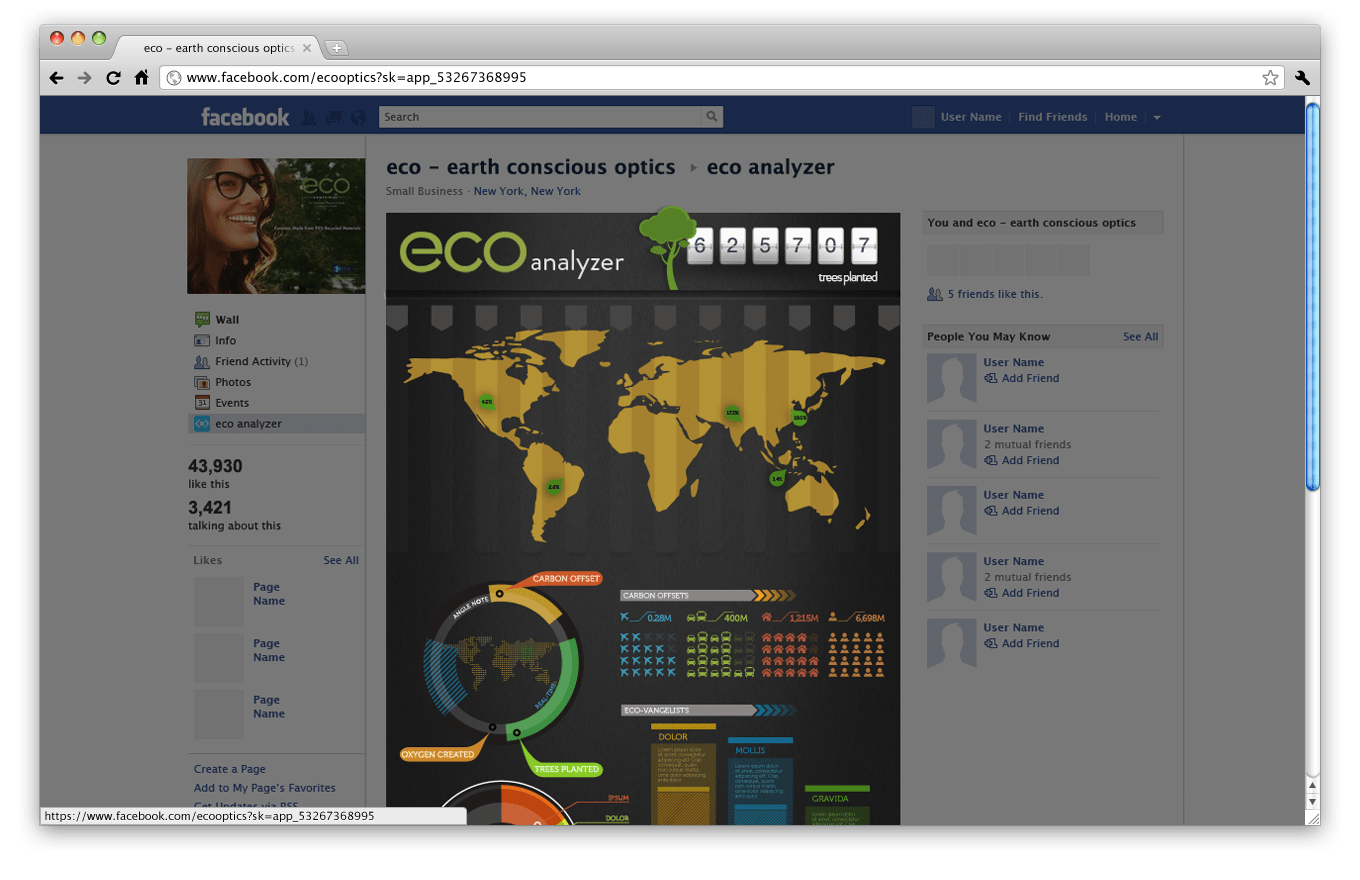
My Year in Foursquare Check-Ins (April 16, 2012 - April 16, 2013)
Top 3 Categories:
Yellow = coffee shops
Blue = retail
Lime Green = bars
Always intriguing taking a peek into personal data dashboards…

My Year in Foursquare Check-Ins (April 16, 2012 - April 16, 2013)

Top 3 Categories:

  1. Yellow = coffee shops
  2. Blue = retail
  3. Lime Green = bars

Always intriguing taking a peek into personal data dashboards…

link

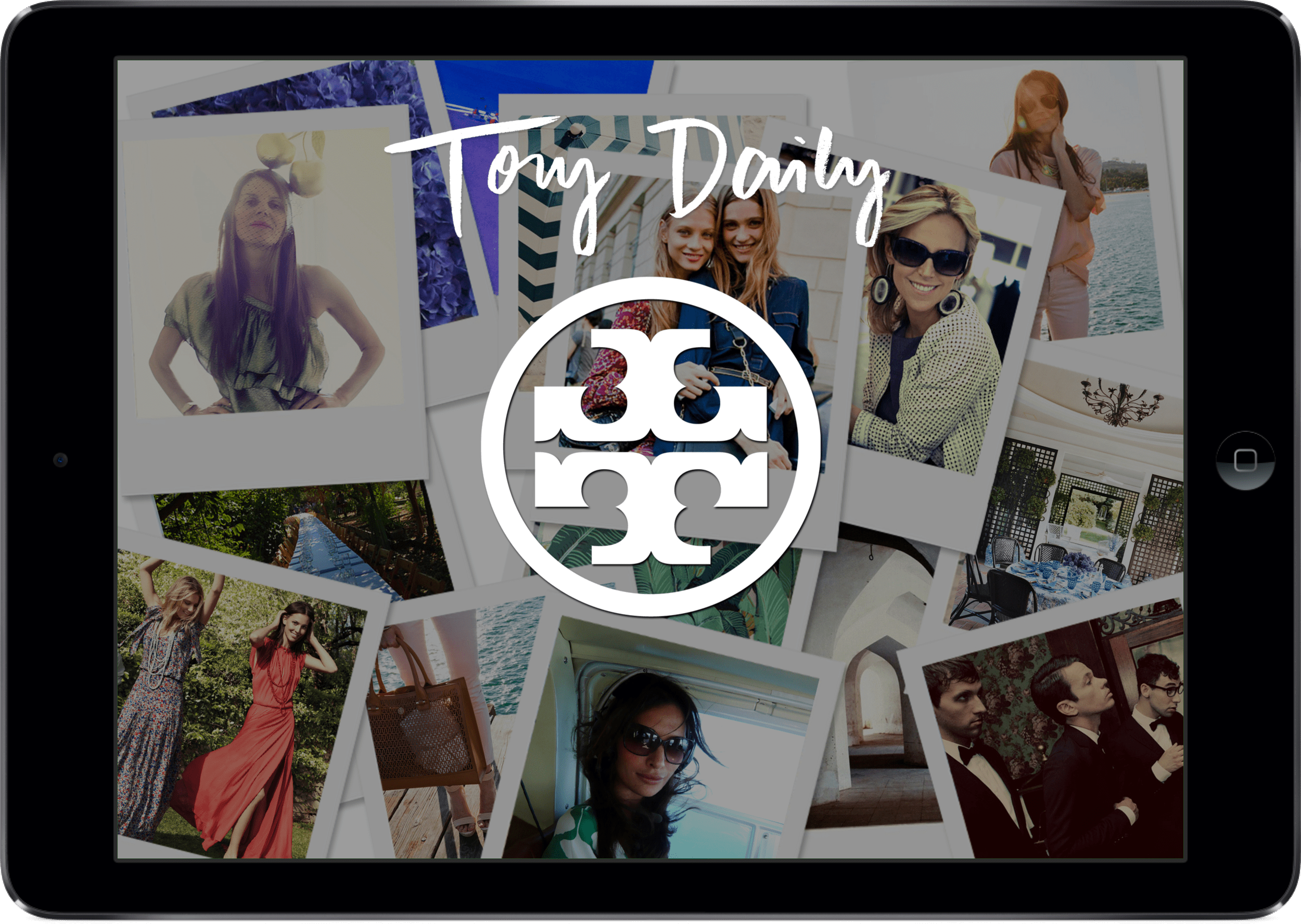
Check out TORY DAILY, the just-released iPhone + iPad app curated by iconic fashion designer Tory Burch. I had the distinct pleasure of working with the TB team on the development of this mobile engagement and commerce platform.  


Tory DailyDownload the free app for daily style, music, culture & travel tidbits directly   from Tory herself, as well as access to the exclusive app-only shopping portal featuring limited-edition TB products.

link
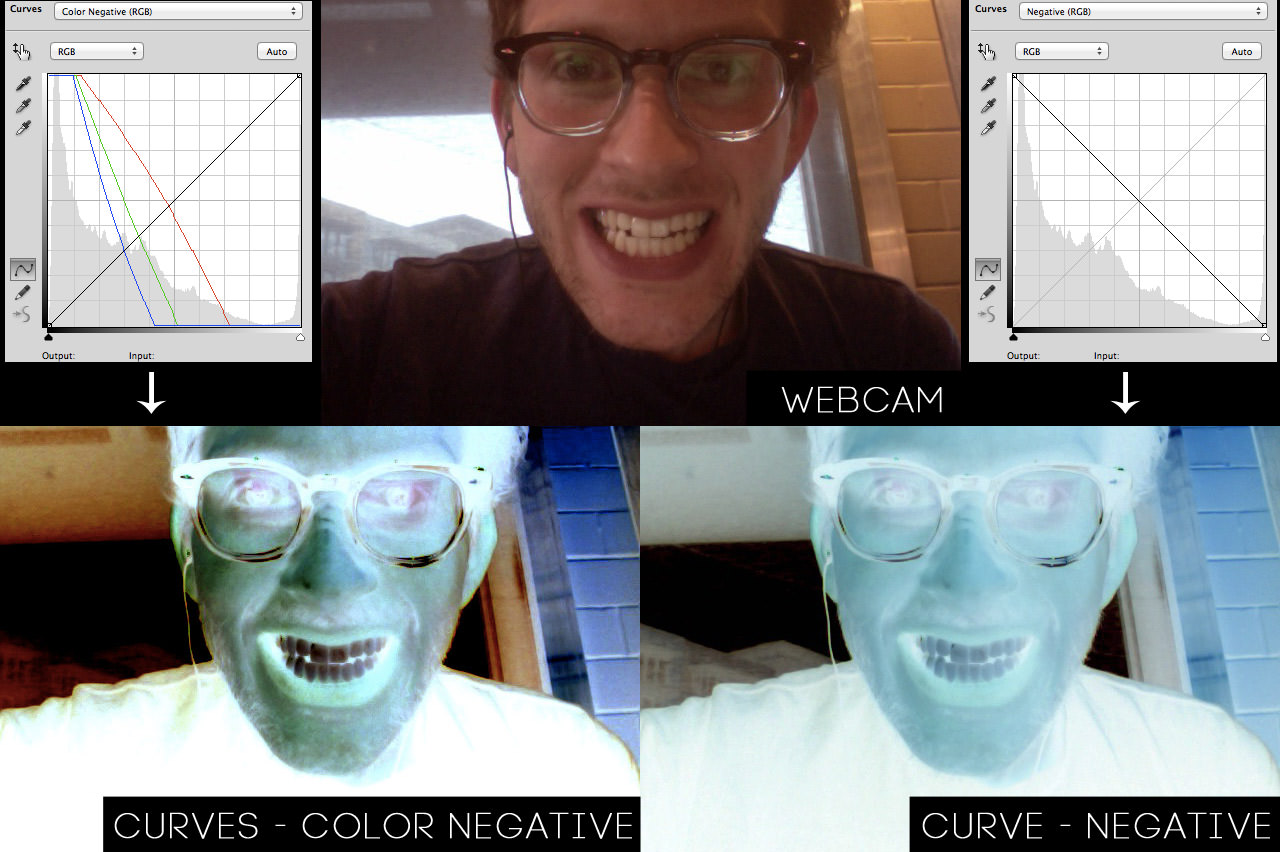
Here’s a quick peek into the R&D I’m currently engaging in within the computer-vision space. My intention is to identify the most effective method and/or algorithm for automated tooth recognition.

Here’s a quick peek into the R&D I’m currently engaging in within the computer-vision space. My intention is to identify the most effective method and/or algorithm for automated tooth recognition.

link

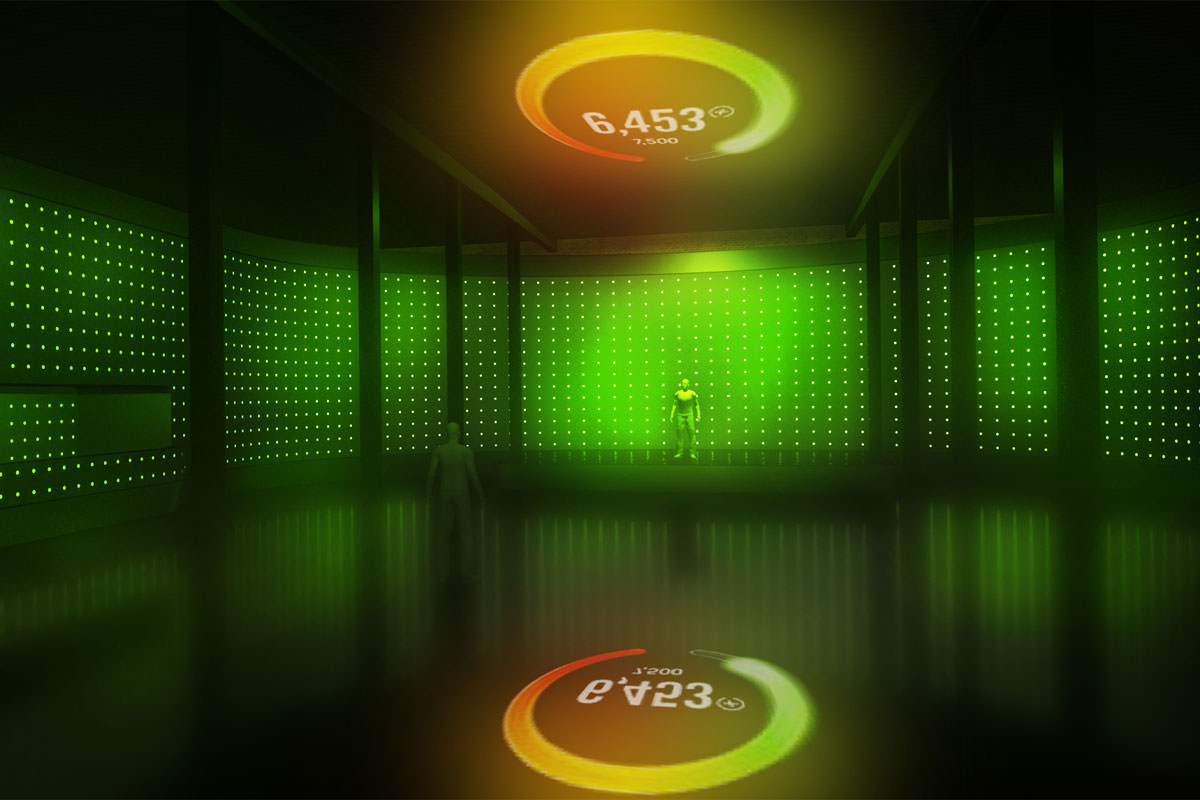
2012 has sure kicked off with a bang! I’ve spent the past 2 months working on this exciting project for Nike with my friends at @radical.media

You can read all about the strategy behind, and production of, the activation on Fast Company, Wired and Billboard.

What a ride!

link
2012: The Year of Fusion(?)

 Cocreate Nation

Once upon a time, entertainment and advertising were two separate lands. Each land was dynamic, and cool, in its own way, but their denizens rarely commingled. In yet another land, the geeks of technology toiled in isolation on tasks both obscure and unfriendly. And then the winds of innovation blew through. Everything changed.

Today, a new creative map is taking shape, as the barriers between these businesses fall away, spurred by a swarm of adventurers and explorers… For companies and consumers, actors and artists, marketers and musicians, there is no turning back. On the contrary, this is the wave of tomorrow.

Fast Company, December 2011

I simply wanted to call out Fast Company for being one of the first to acknowledge the highly significant metamorphosis transpiring within the global business landscape: the collision of tech, culture & commerce. I frequently introduce myself as a catalyst for convergence, largely due to my multifaceted professional background. Years in the entertainment, technology and advertising spaces have lead me to one realization: nothing can bolster the three of these disparate industries more than their fusion.

So thank you, Fast Company, for so eloquently echoing my credo.

link
Foam Core, A Projector & 48 Sleepless Hours

I’ve developed about half a dozen 3D projection mapping projects, but this one was by far the most demanding.

We were faced with challenges galore: 14 surfaces of assorted shapes and sizes, a 1,500 lumen projector (rather weak), a budget of $0, two people and a 48-hour deadline. Alas, we beat our deadline by two whopping hours, all while running on fumes and black gold.

We transformed a small dark room into a sprawling cityscape. A Coldplay-inspired music bed and a poignant voiceover track helped transport the audience into the story, pixel by pixel, building by building. It was fresh, captivating and emotive. Flat video on screens just doesn’t compare with the potential for immersion offered by a multi-sensory AR installation.

Video soon to come.

link
PRESSPAUSEPLAY: A Film About Hope, Fear and Digital Culture


A must-see documentary for all in the professional creative space (and equally as important for those not in the creative space.) Articulate, thought-provoking and inherently controversial.

Download the film for free here.  

The creative landscape is changing. Some talk about a revolution. Others talk about a natural evolution. These changes affect everything. From creation to distribution, from artist to consumer.

The digital revolution of the last decade has unleashed creativity and talent in an unprecedented way, with unlimited opportunities. But does democratized culture mean better art or is true talent instead drowned out? This is the question addressed by PressPausePlay, a documentary film containing interviews with some of the world’s most influential creators of the digital era.


link
Eat Your Heart Out, Betty Crocker

                              How We Love Food

Check out our recently released iPad app, How We Love Food, a digital cookbook developed as a homage to summer afternoons in the kitchen. Why can’t cooking be a communal activity? The app features close to a hundred gourmet recipes and hand-painted illustrations of each dish. All proceeds from the sale of the app go to support Urban Roots, a signature program of the youth empowerment nonprofit, YouthLaunch — that uses sustainable agriculture as a means to transform the lives of young people and increase access to healthy food.


link

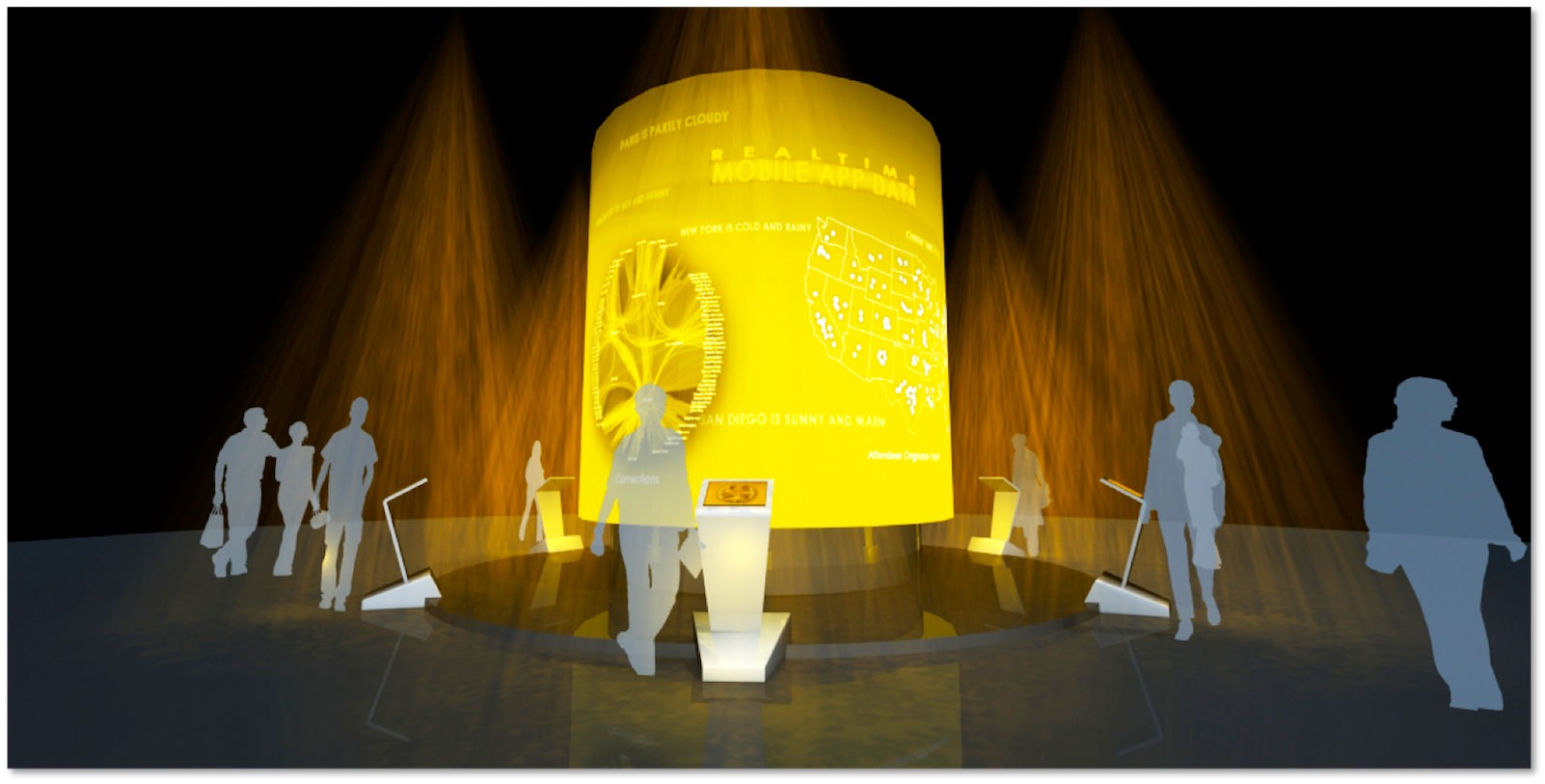
A little peek at the 4-canvas projection-mapping installation we developed last week… It was the fruit of 3 sleepless nights and a whole lot of energy drink.

Our brief was to take corporate storytelling to the next level. I think we gave PowerPoint a run for its money.

link
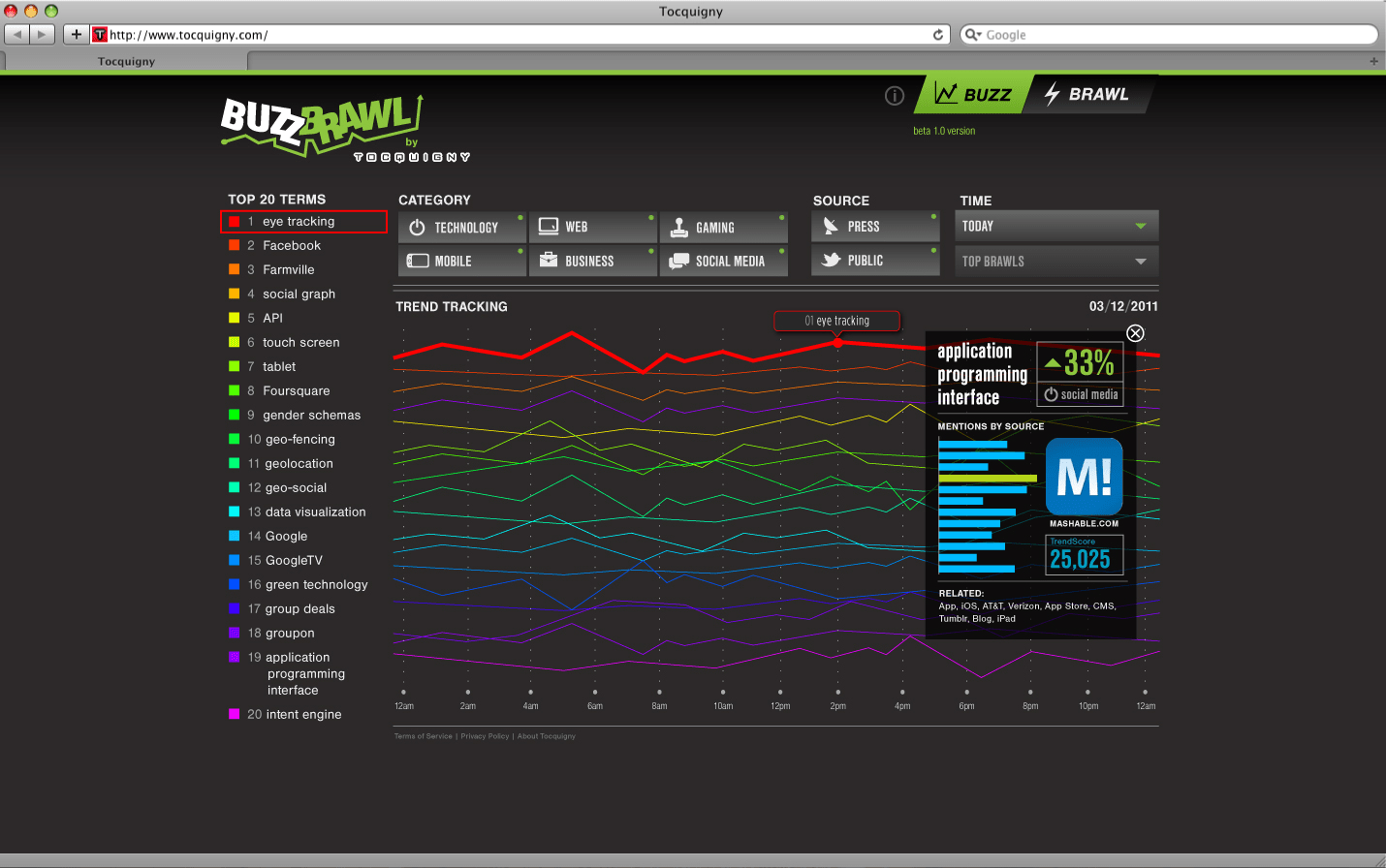
One of my core responsibilities at Tocquigny (and more specifically within Tocquigny Labs) is to immerse myself in emerging technologies, with the key objective of identifying their respective applicabilities within our space. When something is launched, for instance Google+, it is my task to become the resident expert, with the capability of answering a wide gamut of business and technical questions from both internal stakeholders and clients. Like a scientist, I must see beyond the buzz-ridden Mashable articles and “Trending Topics”, and actually submerge myself in the technology. This all leads up to the key function of Labs: adding relevance & context. I get to put on my creative cap and architect innovative applications of the technology specific to our diversified client-base and their short- and long-term needs.
We have a roadmap of technologies in queue, but this week’s was one we had been waiting to test out for quite some time: the Kinect motion-sensing input device (created by Microsoft). Released in conjunction with the XBox 360, it didn’t take long for technologists to see the Kinect’s applicability beyond gaming. The infrared device brings John Underkoffler’s visionary gesture-control interface from Minority Report to life.
   
This $150 consumer-facing infrared camera has introduced natural user interfaces (through gesture- and voice-control) to the masses. Offered many different names by the tech-crowd (computer vision, NUI, gesture-control, feature-recognition, spatial navigation, et al), the Kinect represents what many feel is the future of physical computing. 
       
This week, we took the Kinect for a lengthy test-drive. Most notably, we used the device to capture full-body movements and converted them into commands that were fed into a piece of music composition software. Illustrated by the above photo, a person can control a digital symphony simply by moving any joint in their body. Sounds like a toy, right? A pretty practical toy… After all, this experiment was the catalyst for dozens of ideas pertinent to our future-facing clientele.

One of my core responsibilities at Tocquigny (and more specifically within Tocquigny Labs) is to immerse myself in emerging technologies, with the key objective of identifying their respective applicabilities within our space. When something is launched, for instance Google+, it is my task to become the resident expert, with the capability of answering a wide gamut of business and technical questions from both internal stakeholders and clients. Like a scientist, I must see beyond the buzz-ridden Mashable articles and “Trending Topics”, and actually submerge myself in the technology. This all leads up to the key function of Labs: adding relevance & context. I get to put on my creative cap and architect innovative applications of the technology specific to our diversified client-base and their short- and long-term needs.

We have a roadmap of technologies in queue, but this week’s was one we had been waiting to test out for quite some time: the Kinect motion-sensing input device (created by Microsoft). Released in conjunction with the XBox 360, it didn’t take long for technologists to see the Kinect’s applicability beyond gaming. The infrared device brings John Underkoffler’s visionary gesture-control interface from Minority Report to life.


This $150 consumer-facing infrared camera has introduced natural user interfaces (through gesture- and voice-control) to the masses. Offered many different names by the tech-crowd (computer vision, NUI, gesture-control, feature-recognition, spatial navigation, et al), the Kinect represents what many feel is the future of physical computing. 

       Kinect

This week, we took the Kinect for a lengthy test-drive. Most notably, we used the device to capture full-body movements and converted them into commands that were fed into a piece of music composition software. Illustrated by the above photo, a person can control a digital symphony simply by moving any joint in their body. Sounds like a toy, right? A pretty practical toy… After all, this experiment was the catalyst for dozens of ideas pertinent to our future-facing clientele.

link

Watch out VCs, Kickstarter is picking up steam.

Thanks to the digital crowd-funding platform, in mere months, an iPhone accessory went from being a garage prototype to spawning $169,200+ of liquid capital and 2,600 pre-orders. The above 3-minute video was all it took to convince thousands to offer up a chunk of their paychecks to an eager entrepreneur. But enough about the power of Kickstarter. You can read articles and articles about the revolutionary platform on TechCrunch.

What I am more excited about is this recently-funded technology project. As the long-tail gets longer, it seems that we’re starting to see a trend in rapid technology consumerization. Hardware and software that was initially developed for the enterprise is now being compacted, manufactured and distributed to the consumer audience. The B2B and B2C markets are converging!

The GoPano Micro is a sub-$100 alternative to a ~$50,000 technology that I’ve been focusing a whole lot of my time on for the past two years — 360° Video Capture. A simple camera adaptor for the iPhone 4 allows anyone to create full-motion interactive panoramic videos. Can you imagine the future of UGC with this technology? Realtors will create virtual video tours; families will re-live vacations like never before; crimes will be increasingly solved by forensic video evidence; filmmakers will release audience-controllable feature films. Hell, I predict that YouTube will support interactive 360° video by 2013.


We’re living in the age of the paradigm shift. Entrepreneurs are in control. Immersive storytelling is no longer an artform. A simple video can spawn thousands of micro-investments.

There’s no better a time to be a part of the action.

link
Not Another Ad Agency

“THE TRADITIONAL APPROACHES ARE NOW OBSOLETE. ONE HUNDRED YEARS OF MARKETING THOUGHTS ARE GONE. ALTERNATIVE APPROACHES AREN’T A NOVELTY. THEY ARE ALL WE’VE GOT LEFT.”

- Seth Godin

I work in advertising. Well, marketing. Scratch that… I work at a company that does a lot of things (including marketing and advertising). Argh. Who likes being confined to a definition? It doesn’t allow for agility. And agility, in my point-of-view, is the key facet driving modern business. 

Audience behaviors are changing; technologies are evolving. People make purchasing decisions differently; companies are driven by a new set of needs.

There are a handful of companies that really grasp this paradigm shift. A few notable ones:

Victors and Spoils - The Crowdsourced Agency

From the V&S website:

As the world’s first creative (ad) agency built on crowdsourcing principles, it’s our goal to provide businesses with a better way to solve their marketing, advertising and product-design problems by engaging the world’s most talented creatives.

Why are we doing this? The way we see it, companies need an alternative to both current ad agencies as well as current crowdsourcing platforms. One that offers the strategic direction, engagement and relationship management that agencies deliver today, but one that also delivers the engagement, cultural relevance, results and return on investment that crowdsourcing {if managed and directed well} can deliver.

Anomaly - The Intellectual Property Development Company


A few quotes from the various media outlets:

Anomaly is defiantly not an “Ad agency” the company sets store by developing its own intellectual property which it can licence to clients in return for share in revenues. Their aspiration is to be a product developing IP company, marketing their own portfolio of IP as well as doing that for major brands.
- Creative Review

Since its inception in 2004, the founders and directors have truly shown a different way of doing things, blurring the borders between providing traditional marketing services and working as a business development partner. Eschewing the traditional client/agency relationship, Anomaly works to develop intellectual property for both itself and for its clients…
- Business Week

Google Creative Lab - The In-House Marketing Department


The Lab’s manifesto, care of former Executive Creative Director, Robert Wong:

The long version: “The Google Creative Lab is a small team that strives to rethink marketing across every kind of media, currently existing or not with Google as its sole client. Our mission is to ‘remind the world what it is that they love about Google.’ Our job is to manage and steward the brand, find new ways to communicate the company’s innovations, intentions and ideals, and do work of which we can all be proud. We want people ambitious and crazy enough to think we can actually change the world.”

The short version: “Do epic shit.

Among their many notable projects: “Google Chrome Speed Tests“, “The Wilderness Downtown“, and “Parisian Love“.

Each company on this short-list is future-proofing themselves by ignoring the ‘industry model’, instead adopting unorthodox approaches built for tomorrow.

link
Film Studios, Meet Social Media

Hollywood studios are still scouring around for the perfect digital distribution & monetization model. Silicon Valley (with the help of indie filmmakers) is trying to beat the big boys at their own game.

Case-in-point: FlickLaunch - the first independent film digital distribution platform built entirely on Facebook. It allows filmmakers to stream movies for free to the first 1,000 ‘likers’, thereby leveraging consumer social graphs to drive revenue and buzz.


From today’s Cynopsis Digital:

FlickLaunch provides the tools for filmmakers (who pay a min. $250 fee) to set up “Likeable” fan pages that will stream movies for free for the first 1,000 users who hit the “Like” button. After that, the magic of the social stream will hopefully take over and produce thousands of new viewers willing to pay $1 or $2 (via PayPal for now) for each 7-day rental. Films can viewed on a PC, mobile phone or tablet. The filmmaker keeps 70% and FlickLaunch keeps the now-standard 30% of the proceeds. (A FB credits option rolling out in a couple of weeks will lower the take to 50%.)

      FlickLaunch - Facebook Movie Distribution

I most admire the business model due to the inherent way that it merges content distribution, marketing and monetization. Economies of scale, eh?

Keep an eye on this space.

link

…a peek at one of this week’s experiments at Tocquigny Labs (our in-house R&D think-tank).

Inspired by MIT Media Lab’s Junkyard Jumbotron, we decided to create our own asymmetrical synchronized multi-screen virtual display (whew). In under 30 minutes, we calibrated and stitched together two laptops, an iPad, an iPod Touch and an iPhone to form one discrete video display — all controlled by the iPad’s touchscreen.

link
Quantifiable Proof That ‘Multi-Sensory’ Drives Engagement

NPR’s iPhone, iPad, and Android apps have together surpassed five million downloads, an impressive number — but most of their users never stream audio. When they do listen, however, they are far more engaged.

According to NPR’s internal usage data covering January 1 through mid-April, users who request audio — maybe a station stream, a national newscast, or NPR Music content — view twice as many pages as those who only read the apps’ content. On average, audio streamers rack up 4.2 pageviews per visit versus 2.4 for the text-only crowd. (“Pageviews” in this case refers only to news content, not navigation pages.) The ratio holds up for iPad users, too: Listeners view 8.1 pages per visit, versus 3.9 among readers.

Andrew Phelps, The Nieman Journalism Lab at Harvard University

Multi-sensory engagement evokes realism. Realism drives the seamless integration of digital in our daily lives.     

       NPR iPad App

Read more about NPR’s mobile app analytics findings here.

Grab the NPR app for iOS or Android.